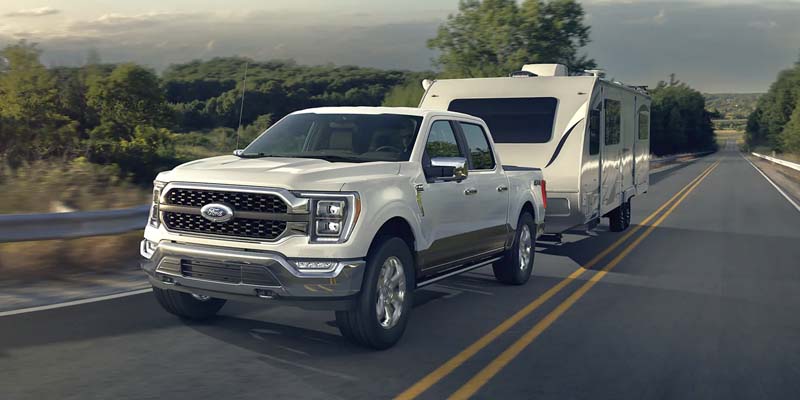
There's something about summertime that just begs for a road trip. The sun is shining, the weather is warm, and there's nothing quite like hitting the open road with your best friends or family.
If you're planning on taking a road trip this summer, it's important to make sure your car is ready for the journey. Here are a few tips on how to get your vehicle ready for a summer road trip:
1. Check your tires. Make sure your tires have enough tread and are properly inflated. You don't want to end up stranded on the side of the road with a flat tire.
2. Inspect your brakes. If your brakes are in bad shape, you could end up getting into an accident. Have them inspected by a mechanic to ensure they're in good condition.
3. Pack snacks and drinks. It's important to stay hydrated and fed while on a road trip. Pack plenty of snacks and drinks to keep you going on the journey.
4. Plan your route. Make sure you know where you're going before you hit the road. This will help avoid any potential headaches or missed turns along the way.
5. Get some rest beforehand. Make sure you get plenty of rest before embarking on your road trip - you don't want to be exhausted from the get-go!
With these tips in mind, you're ready to hit the open road and enjoy all that summer has to offer!
Summer Vehicle Maintenance and Service
Summertime is a great time for road trips and adventures, but it's important to make sure your car is up for the journey. That means getting regular auto service and, if necessary, auto repair. One of the most important things you can do is to get an oil change. This will help your engine run smoothly and prevent overheating. You should also check your tires to make sure they're properly inflated and have enough tread. If you're going to be doing a lot of driving, it's also a good idea to have your brakes checked. Finally, don't forget about your car's fluids. Make sure the coolant level is topped off and that there aren't any leaks. With a little bit of attention, you can keep your car running safely all summer long.
Tires and Oil Change for a Road Trip
Before you hit the open road, it’s important to make sure your car is in good shape. This means checking your tires and oil levels and making sure they’re both up to par.
If your tires are worn down, it could lead to a blowout while you’re driving. Not only is this dangerous, it can also be expensive if you have to get a new tire installed on the side of the road.
In addition, if your oil level is too low, it can cause your engine to overheat. This could lead to costly repairs or even a replacement engine.
So before you take your car on a road trip, make sure to check your tires and oil levels and get them both serviced if needed. It might seem like an extra hassle, but it’s definitely worth it in the end.
Transmission fluid, washer fluid, and gas mileage for your vehicle
Transmission fluid and washer fluid are two of the most important fluids in your car, and yet they are often overlooked when it comes to routine maintenance. transmission fluid helps to keep your car's transmission cool and lubricated, while washer fluid is used to clean your windshield. Both fluids are essential for keeping your car running smoothly, and yet they are often forgotten about when it comes to scheduled maintenance.
Changing your transmission fluid and washer fluid regularly is important for a number of reasons. First, it can help to improve your gas mileage. Second, it can help to prevent road trips from being interrupted by unexpected breakdowns. Finally, it can help to keep your car's value high by preventing costly auto repairs down the line. transmission fluid and washer fluid may not be the most exciting parts of owning a car, but they are certainly among the most important.
Take the first step in your summer roadtrip and schedule your service appointment with Ricart today.